
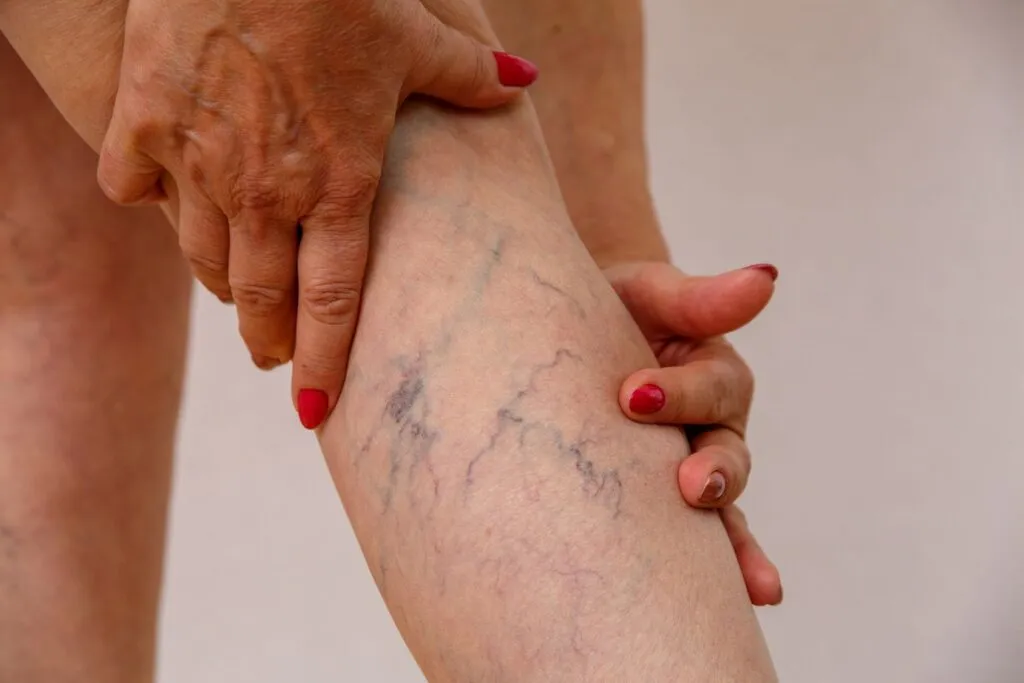
Varicose veins are a cosmetic concern, but they can also be associated with deeper vein problems that warrant medical attention. These enlarged, twisted veins usually develop in the legs, and they form when valves inside the veins become weakened or non-functional. When blood pools in varicose veins, it may indicate issues with chronic venous insufficiency or even blood clots in the future.
Introducing Varicose Veins
Varicose veins are swollen, enlarged veins that commonly appear blue, purple, or bulging beneath the skin. They most often affect the legs and feet, because standing and walking increase pressure in the lower-body veins. When vein valves weaken or become damaged, blood can flow backward and collect in the vein, which causes the vein to stretch.
Several factors can increase a patient’s risk of developing varicose veins, including:
- Age
- Pregnancy
- Family history
- Obesity
- Long periods of sitting or standing
Symptoms of this condition may include aching, heaviness, throbbing, or swelling.
Explaining Chronic Venous Insufficiency
Chronic venous insufficiency is a condition in which the leg veins cannot return blood to the heart. It often develops when vein valves stop closing properly, and that failure allows blood to pool in the lower legs. Varicose veins can be a visible sign of this problem, but the underlying issue involves circulation, not just appearance. Over time, chronic venous insufficiency may lead to skin discoloration, persistent swelling, leg fatigue, and even ulcers near the ankles.
Chronic venous insufficiency can lead to several serious complications beyond aesthetic concerns. One common issue is the development of venous ulcers, which form due to poor circulation in the lower legs. The condition may result in lipodermatosclerosis, a painful hardening and thickening of the skin and fat layers underneath. If left untreated, it increases the risk of blood clots, such as deep vein thrombosis. Patients may also experience recurrent infections, as compromised blood flow makes it harder for the body to fight bacteria.
Understanding Blood Clots
Blood clots are clumps of blood that form when blood changes from a liquid to a more solid state. Some clots help the body heal after injury, but others can interfere with healthy circulation and create serious health risks. Varicose veins are sometimes linked to superficial thrombophlebitis, which is a clot in a vein close to the skin along with inflammation. While these clots are often less dangerous than deep vein thrombosis, they still require medical assessment.
Seeking Medical Attention
It is advisable to seek a medical evaluation if you notice any of the following symptoms, as they may indicate a progression of the underlying condition or the development of complications:
- Pain and Discomfort: Worsening heaviness, burning, itching, or cramping in the legs, especially if it interferes with daily activities.
- Skin Changes: Any darkening, thickening, dryness, or development of sores, particularly around the ankle area.
- Signs of a Vein Clot: A vein that becomes hard, red, warm, and tender to the touch, which may suggest superficial thrombophlebitis.
- Sudden Swelling: Unexplained swelling in one leg, which requires immediate medical attention as it could signal a more serious clot, such as deep vein thrombosis.
A consultation with a healthcare provider helps achieve a diagnosis and establishes an appropriate treatment plan to manage the condition .
Get a Vein Evaluation Today
Varicose veins can be more than a surface-level issue, and they sometimes signal problems such as chronic venous insufficiency or clot-related inflammation. With timely evaluation, patients can better understand what is causing their symptoms and which treatment options may support healthier circulation. A professional assessment can also help prevent complications before they become harder to manage. If you want to learn more about varicose veins, treatment, and risk factors, consult a cardiologist near you.