
Living with pain can be exhausting, whether it is short-term discomfort or a long-lasting condition. Many people rely on medications to find relief, but not everyone wants to depend on pills or deal with their side effects. The good news is that there are many natural and effective ways to manage pain without medication. These techniques are simple, safe, and can often improve your overall well-being at the same time.
In this article, we will explore practical and easy-to-follow pain management techniques that you can use in your daily life.
Understanding Pain and Why It Happens
Pain is your body’s way of telling you that something is not right. It can come from injury, stress, inflammation, or even emotional strain. There are two main types of pain:
- Acute pain – short-term pain, like a headache or a sprained ankle
- Chronic pain – long-lasting pain, such as back pain or arthritis
Managing pain without medication focuses on treating the root cause and helping your body heal naturally.
1. Deep Breathing and Relaxation Techniques
One of the simplest ways to reduce pain is through deep breathing. When you feel pain, your body becomes tense, which can make the pain worse.
How to do it:
- Sit or lie down comfortably
- Take a slow breath in through your nose
- Hold it for a few seconds
- Exhale slowly through your mouth
Repeat this for 5–10 minutes. Deep breathing helps relax your muscles and calm your mind, reducing the intensity of pain.
2. Physical Activity and Gentle Exercise
It may seem strange, but moving your body can actually reduce pain. Exercise improves blood flow, strengthens muscles, and releases natural chemicals called endorphins that act as pain relievers.
Good options include:
- Walking
- Stretching
- Yoga
- Swimming
Start slowly and choose activities that feel comfortable. Even 10–15 minutes a day can make a big difference.
3. Hot and Cold Therapy
Using heat or cold is a quick and effective way to relieve pain.
Cold therapy (ice packs):
- Reduces swelling and inflammation
- Best for injuries, sprains, or swelling
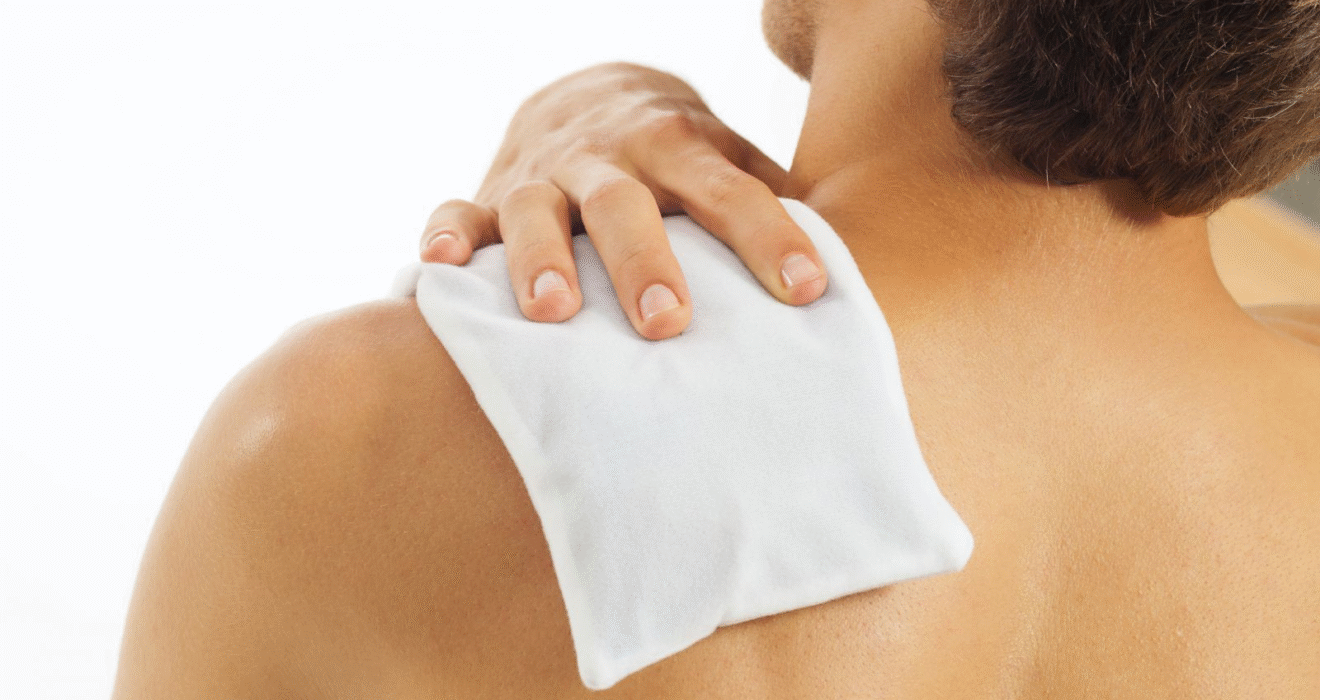
Heat therapy (warm towels or heating pads):
- Relaxes muscles
- Improves blood circulation
- Helps with stiffness and chronic pain
Use each method for about 15–20 minutes at a time.
4. Massage Therapy
Massage is a natural way to reduce pain and relax tight muscles. It improves circulation and helps release tension in the body.
You can:
- Visit a professional massage therapist
- Use a massage tool
- Gently massage the area yourself
Even a simple hand or shoulder massage can provide relief and comfort.
5. Mindfulness and Meditation
Pain is not just physical—it also affects your mind. Stress and anxiety can make pain feel worse. Mindfulness and meditation help you focus your attention and reduce stress.
Simple meditation steps:
- Sit quietly in a calm place
- Close your eyes
- Focus on your breathing
- Let your thoughts come and go without judgment
Practicing this daily can help you feel more in control of your pain.
6. Proper Sleep and Rest
Lack of sleep can increase pain sensitivity. Your body needs rest to heal and recover.
Tips for better sleep:
- Go to bed at the same time every night
- Avoid screens before bedtime
- Keep your room quiet and comfortable
- Use supportive pillows and mattresses
Good sleep can significantly reduce chronic pain over time.
7. Healthy Diet and Hydration
What you eat can affect how your body feels. A healthy diet can reduce inflammation and support healing.
Include:
- Fruits and vegetables
- Whole grains
- Nuts and seeds
- Plenty of water
Avoid too much sugar, processed food, and caffeine, as they can increase inflammation and discomfort.
8. Stretching and Posture Correction
Poor posture can lead to back, neck, and shoulder pain. Stretching helps keep your muscles flexible and reduces stiffness.
Try:
- Gentle neck rolls
- Shoulder stretches
- Back stretches
Also, pay attention to how you sit and stand. Keeping your spine straight can prevent many types of pain.
9. Acupressure and Pressure Points
Acupressure is an ancient technique that involves pressing specific points on the body to relieve pain.
Example:
- Pressing the area between your thumb and index finger can help reduce headaches
Apply gentle pressure for a few minutes while breathing slowly. This method is easy and can be done anywhere.
10. Distraction and Positive Activities
Sometimes, focusing too much on pain makes it feel stronger. Keeping your mind busy can reduce how much pain you notice.
Try activities like:
- Reading a book
- Listening to music
- Watching a movie
- Talking with friends
Positive distractions can improve your mood and help you cope better with discomfort.
11. Herbal and Natural Remedies
Some natural remedies may help reduce pain. For example:
- Ginger and turmeric have anti-inflammatory properties
- Herbal teas can promote relaxation
Always use natural remedies carefully and consult a professional if needed.
12. Emotional Support and Stress Management
Pain can feel worse when you are stressed or emotionally overwhelmed. Talking to someone you trust can help.
Options include:
- Friends or family
- Support groups
- Counseling
Managing your emotions is an important part of managing pain.
Conclusion
Managing pain without medication is not only possible but also beneficial for your overall health. By using natural techniques like exercise, relaxation, proper sleep, and healthy eating, you can reduce pain and improve your quality of life.
These methods may take time to show results, but consistency is key. Start with a few techniques and gradually build a routine that works best for you. Remember, your body has the ability to heal—it just needs the right support.
Frequently Asked Questions (FAQs)
1. Can pain really be managed without medication?
Yes, many people successfully manage pain using natural techniques like exercise, relaxation, and lifestyle changes. It depends on the type and severity of pain.
2. How long do natural pain relief methods take to work?
Some methods, like heat therapy or massage, provide quick relief. Others, like exercise and meditation, may take days or weeks of regular practice.
3. Are these techniques safe for everyone?
Most techniques are safe, but people with serious health conditions should consult a healthcare professional before starting new methods.
4. Which technique works best for chronic pain?
There is no single best method. A combination of exercise, mindfulness, good sleep, and healthy diet often works best for long-term pain.
5. When should I see a doctor for pain?
If your pain is severe, lasts a long time, or affects your daily life, it is important to seek medical advice.
By practicing these simple and natural methods, you can take control of your pain and live a healthier, more comfortable life.