
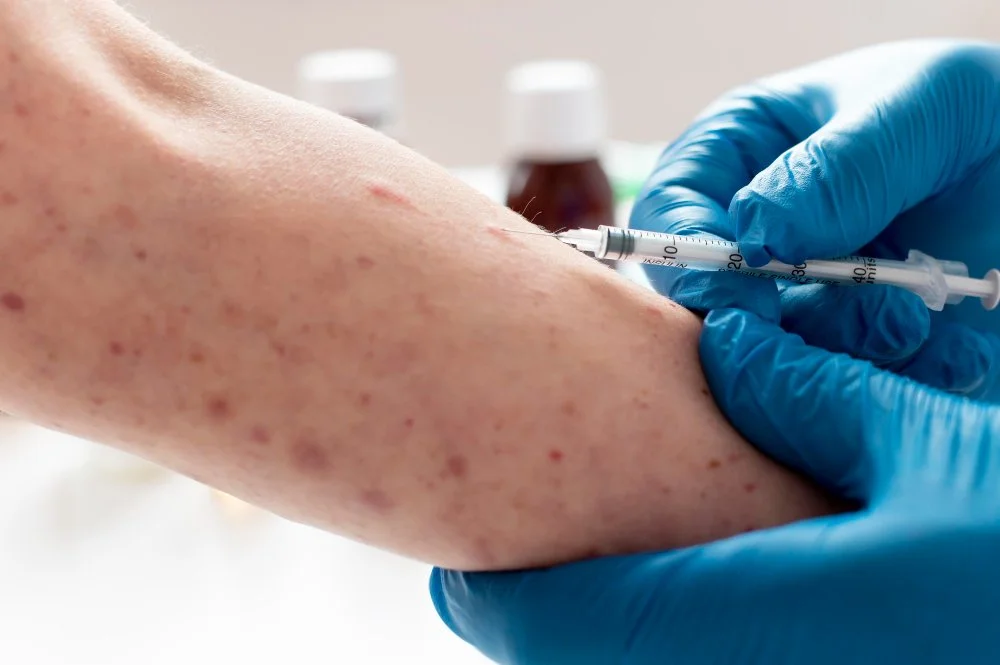
Skin allergies are a common problem that can affect people of all ages. From itching and redness to swelling and rashes, these conditions can make daily life uncomfortable and stressful. Finding the best allergy specialist for skin allergies treatment is very important if you want proper care, long-term relief, and a clear understanding of your condition.
In this article, we’ll explain what skin allergies are, why you need a specialist, how to choose the right doctor, and what treatments are available—all in a simple and human-friendly way.
What Are Skin Allergies?
Skin allergies happen when your immune system reacts to something harmless, such as dust, pollen, certain foods, or chemicals. Instead of ignoring these substances, your body treats them like a threat and causes symptoms on the skin.
Common Symptoms:
- Itching (sometimes severe)
- Red patches or rashes
- Dry or flaky skin
- Swelling
- Blisters or hives
Common Types of Skin Allergies:
- Eczema (Atopic Dermatitis): Dry, itchy, and inflamed skin
- Contact Dermatitis: Reaction after touching something (like soap, jewelry, or plants)
- Hives (Urticaria): Raised, itchy bumps that appear suddenly
- Allergic Reactions to Food or Medicine
Understanding your symptoms is the first step, but proper diagnosis requires a trained expert.
Why You Need an Allergy Specialist
Many people try home remedies or general treatments, but skin allergies can be complex. This is where an allergy specialist (also called an allergist or dermatologist) becomes essential.
Benefits of Seeing a Specialist:
- Accurate Diagnosis: Identifies the exact cause of your allergy
- Personalized Treatment Plan: Based on your skin type and triggers
- Advanced Testing: Such as patch tests or blood tests
- Long-Term Management: Prevents future flare-ups
A specialist doesn’t just treat symptoms—they help you understand your body and avoid triggers.
How to Choose the Best Allergy Specialist
Choosing the right doctor can make a big difference in your recovery. Here are some important factors to consider:
1. Qualifications and Experience
Look for a doctor who is certified in allergy or dermatology and has experience treating skin allergies specifically.
2. Patient Reviews
Reading reviews can give you insight into how the doctor treats patients and how effective their treatments are.
3. Availability of Testing
A good clinic should offer proper allergy testing methods to identify triggers.
4. Communication Style
The best specialists listen carefully, explain things clearly, and make you feel comfortable.
5. Treatment Approach
Choose someone who offers a mix of medication, lifestyle advice, and preventive care—not just quick fixes.
Common Treatments for Skin Allergies
Once your condition is diagnosed, the specialist will recommend a treatment plan. This may include:
1. Medications
- Antihistamines: Reduce itching and swelling
- Corticosteroid Creams: Help reduce inflammation
- Immunosuppressants: For severe cases
2. Moisturizers and Skincare
Keeping your skin hydrated is very important. Specialists often recommend fragrance-free and gentle products.
3. Allergy Shots (Immunotherapy)
In some cases, doctors may suggest allergy shots to gradually reduce your sensitivity to allergens.
4. Avoiding Triggers
This is one of the most effective steps. Once you know what causes your allergy, avoiding it can prevent symptoms.
Natural and Lifestyle Tips
Along with medical treatment, simple lifestyle changes can improve your condition:
- Use mild soaps and detergents
- Wear soft, breathable fabrics like cotton
- Avoid hot showers (they can dry out your skin)
- Keep your home clean and dust-free
- Manage stress, as it can worsen skin conditions
These small changes can make a big difference over time.
When Should You See a Specialist?
You should visit an allergy specialist if:
- Your symptoms are severe or persistent
- Over-the-counter treatments are not working
- You don’t know what is causing your allergy
- Your condition is affecting your daily life or sleep
Early treatment can prevent complications and improve your quality of life.
Importance of Early Diagnosis
Ignoring skin allergies can lead to worsening symptoms, infections, or long-term skin damage. A specialist can detect the problem early and provide effective solutions before it becomes serious.
Final Thoughts
Finding the best allergy specialist for skin allergies treatment is not just about getting rid of itching or rashes—it’s about improving your overall well-being. With the right doctor, proper diagnosis, and a personalized treatment plan, you can manage your skin condition and live a comfortable life.
Don’t ignore your symptoms or rely only on temporary solutions. Take the step to consult a specialist and understand your skin better.
FAQs About Skin Allergy Treatment
1. What kind of doctor treats skin allergies?
A dermatologist or allergist is the best specialist for treating skin allergies. They are trained to diagnose and manage skin-related conditions.
2. Can skin allergies be cured permanently?
Some skin allergies can be controlled very effectively, but not all can be completely cured. Treatment focuses on managing symptoms and avoiding triggers.
3. How long does it take to treat skin allergies?
It depends on the type and severity. Mild cases may improve in a few days, while chronic conditions may need long-term care.
4. Are home remedies effective for skin allergies?
Home remedies can provide temporary relief, but they are not a substitute for professional medical treatment, especially in severe cases.
5. What is the best way to prevent skin allergies?
The best way is to identify and avoid triggers, maintain good skincare habits, and follow your doctor’s advice regularly.