
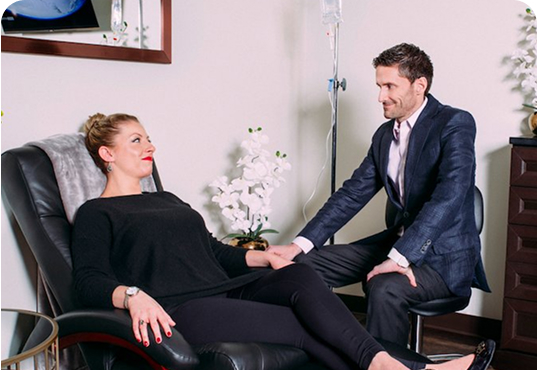
A family dentist provides routine dental care for patients of all ages, from children to older adults. These providers handle everything from cleanings and fillings to monitoring changes in oral health over time. Because the mouth and throat play a direct role in many sleep disorders, family dentists are in a position to spot early warning signs and connect patients with the right care. Their consistent contact with patients across years makes them a reliable part of a broader health support system.
Regular Screening
A family dentist looks for physical signs that may point to a sleep disorder during routine visits. The jaw, tongue, and throat are examined regularly, and certain features, like a narrow airway or enlarged tonsils, can signal nighttime breathing problems. A patient who grinds their teeth at night may do so because their body is responding to breathing interruptions.
Worn enamel on the back teeth is an indicator that a dentist can document over time. Because patients come in for cleanings twice a year, a dentist can track changes and flag patterns that develop gradually. They may also ask about fatigue, snoring, or headaches, since those symptoms often accompany sleep-related breathing issues. When these signs appear together, the dentist can converse with the patient about next steps.
When a dentist identifies overlapping signs, they record those findings and use them to guide further discussion. A referral to a sleep specialist may follow, but the dentist’s role begins with careful, ongoing observation. Consistent documentation gives a clearer picture than a single appointment would.
Custom Oral Appliances
Oral appliances are devices worn in the mouth during sleep to reposition the jaw or tongue. These devices are custom-made from molds of a patient’s teeth, and they work by keeping the airway open throughout the night. A family dentist can take the necessary impressions, order the appliance from a dental lab, and adjust it over follow-up visits.
Mandibular advancement devices are among the most widely used options. These appliances move the lower jaw slightly forward, which prevents the tissues at the back of the throat from collapsing. A patient with mild to moderate sleep apnea may use one of these devices as an alternative to a breathing machine, though the dentist coordinates this decision with a physician. The fit and position of the device are adjusted based on the patient’s comfort and response.
Once the appliance is in use, the dentist monitors the patient’s bite and jaw joints at each appointment. Improper fit can lead to discomfort or changes in how the teeth come together. Regular follow-up allows for small corrections before any issues become significant.
Medical Referrals
Family dentists do not diagnose sleep disorders, since that process occurs in a physician’s or sleep specialist’s office. When a dentist observes signs that suggest a possible sleep disorder, they document those findings and refer the patient to an appropriate medical provider, and the referring dentist often stays in contact with that provider throughout the patient’s care. A formal sleep study is usually needed to confirm a diagnosis, and the dentist’s observations serve as useful information for the specialist.
Contact a Family Dentist
Sleep disorders affect a large portion of the population, and many people are unaware that their dentist can help. A family dentist brings consistent, long-term knowledge of a patient’s oral health, which makes their observations comprehensive. Contact a dental office to see how they can help with your sleep disorder.