
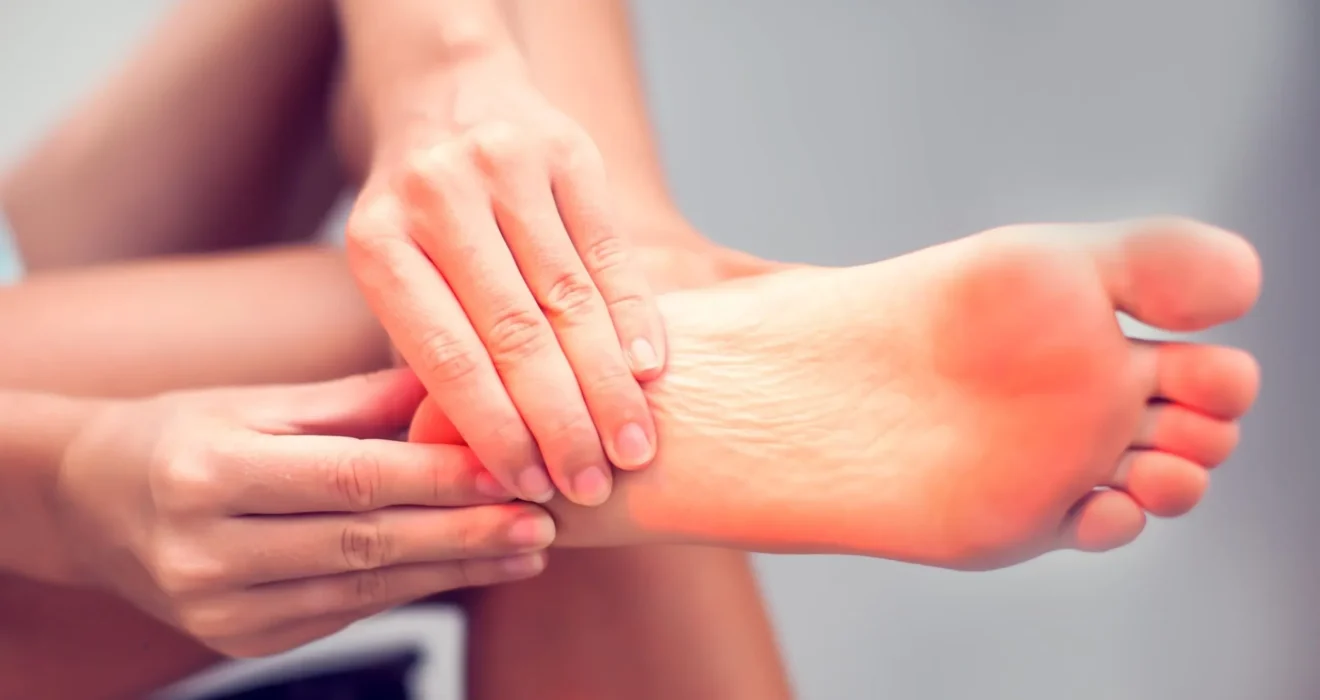
Heel pain refers to discomfort or physical strain in the back, bottom, or sides of the heel. It may relate to various issues, from soft tissue irritation and tendon strain to footwear pressure and activity patterns. The heel supports body weight during standing and walking, so small changes in foot mechanics have the potential to affect daily movement. A podiatrist evaluates the location, timing, and pattern of symptoms to help identify possible contributing factors. Here are several causes and solutions for heel pain:
Identifying Sources of Heel Pain
Heel pain may develop from several structural or activity-related factors. Each cause has a different pattern, and a clinical exam provides key information. A provider may ask when symptoms appear, what activities increase pressure, and whether footwear affects the heel. Possible sources of heel pain include:
- Plantar fascia strain: The plantar fascia runs along the bottom of the foot and supports the arch. Strain in this tissue may create discomfort near the underside of the heel.
- Achilles tendon irritation: The Achilles tendon connects the calf muscles to the heel bone. Repeated stress can contribute to tightness or tenderness at the back of the heel.
- Heel spurs: A heel spur is a bony growth that appears near the heel bone. Imaging may show whether this structure is present.
Reviewing Footwear and Activity
Footwear plays a key role in how pressure moves through the foot. Shoes with thin soles may provide limited cushioning. Tight shoes sometimes alter toe and arch position; this has the potential to shift force toward the heel. Worn shoes may also change gait because the midsole no longer supports the foot evenly.
Long periods of standing, especially on hard, concrete flooring, increase the risk of heel pain. A provider may review your daily routine and ask about recent changes; this information helps connect symptom patterns with physical demand. Possible adjustments include rotating supportive shoes, avoiding worn-out footwear, and choosing designs with stable soles.
Exploring Conservative Care Options
Conservative care focuses on practical steps that support foot mechanics and limit added strain. A podiatrist may discuss stretching routines, padding, taping, or activity modification. Stretching discussions sometimes focus on the calf muscles and the bottom of the foot. Tightness in these areas may affect heel movement during walking. Some patients require guidance on selecting proper work or athletic shoes; others may benefit from a review of walking surfaces, standing posture, and training schedules. These steps aim to create a clear, manageable plan for each unique situation.
Using Supportive Foot Devices
Supportive devices can help address pressure patterns in the foot; options include shoe inserts, arch supports, and custom orthotics. These devices sit inside the shoe and change how the foot contacts the ground. Custom orthotics involve a detailed evaluation of foot structure and gait. A provider may contemplate this option when standard inserts do not match the person’s foot mechanics or footwear needs.
Supportive devices require a proper fit. If an insert crowds the shoe or changes walking comfort, the provider may adjust the plan. Follow-up visits give the clinician a chance to review fit, wear patterns, and symptom tracking.
Find Treatment for Heel Pain
Heel pain may come from tissue strain, tendon irritation, footwear pressure, or activity changes; flat feet are another possible cause. A podiatrist uses exam findings and patient history to identify possible sources and discuss practical options. Footwear updates, supportive devices, activity adjustments, and follow-up visits may all play a role in a structured care plan. To review your heel symptoms and discuss next steps, contact a local podiatry clinic to schedule an evaluation.