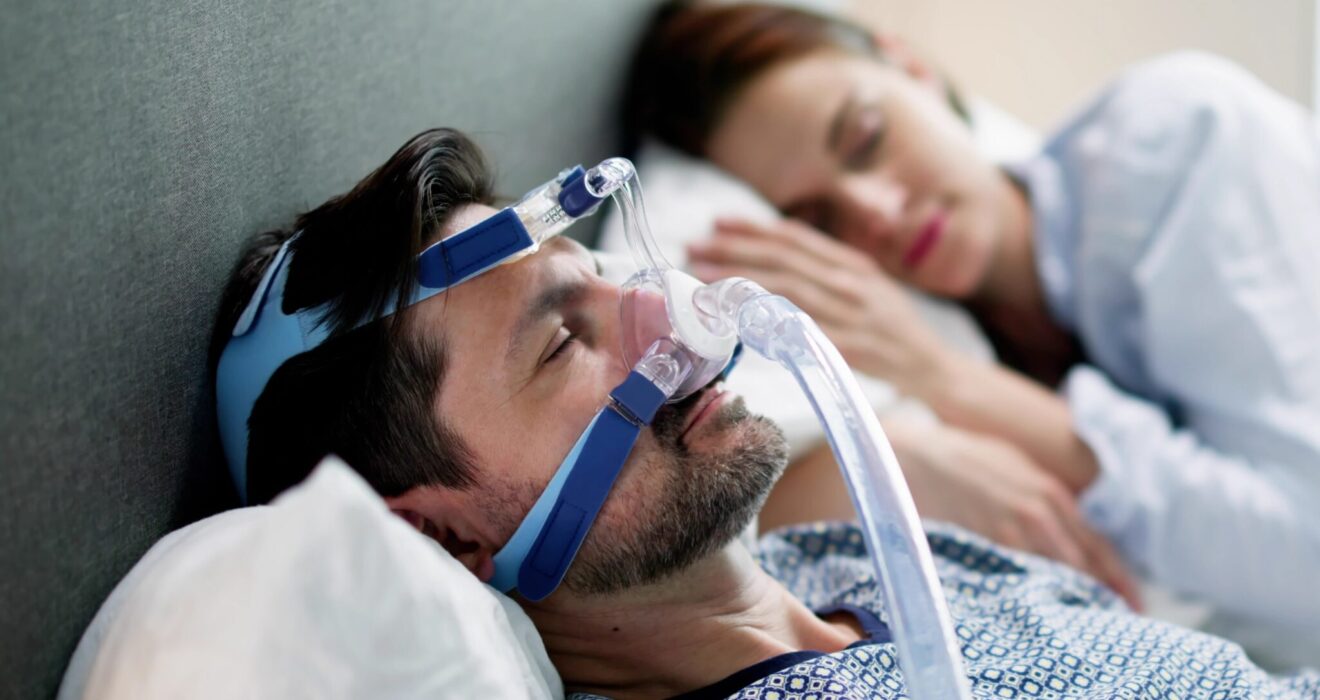
A CPAP clinic supports people who use continuous positive airway pressure (CPAP) therapy for sleep-related breathing disorders. Staff members often include respiratory therapists and sleep technicians, and they work with masks, machines, and therapy data. For many people, the clinic is a place to receive regular guidance and follow-up for therapy. Here are some benefits of attending a CPAP clinic for effective treatment:
Supplies Equipment
CPAP therapy requires specific equipment, and a clinic helps patients obtain these items in the correct size and style. Key items include:
- Masks
- Tubing
- Filters
- Humidifiers
- CPAP machines
Some patients need a nasal mask, while others use a full-face mask due to mouth breathing or nasal obstruction. Fit also matters. A mask that leaks or presses too hard on the skin may lead to disrupted sleep, dry eyes, or sore spots.
Clinic staff also explain how often supplies are replaced and the key signs of wear. Stretched headgear, cracked tubing, or worn cushions may affect the seal and the machine’s performance because they prevent a proper fit. Patients receive practical guidance on cleaning routines, storage, and setup, and this helps them manage equipment correctly at home.
Provides Education
Education helps patients take an active role in managing their CPAP therapy and understanding their equipment. Many people need instructions about pressure settings, humidification, and mask placement, which can be difficult to learn without guidance. At a CPAP clinic, staff provide direct education, and they tailor it to each patient’s device and prescription.
Staff may demonstrate how to fit the mask and fill the humidifier, or they explain how to respond to alerts on the machine. They should explain what usage reports include, such as leak rate and hours of use. Education gives patients a better understanding of the treatment process, rather than leaving them to figure it out on their own.
Problems often come up in the first few weeks. Dry mouth, skin irritation, or air leaks may impact routine use, especially when patients are adjusting to CPAP therapy. In a clinic, patients receive advice for these issues, and guidance is based on symptoms and device data to improve comfort and consistency of use.
Monitors Treatment
Follow-up is a key part of CPAP therapy management. A clinic tracks how treatment is used over time, and this helps staff identify patterns that need attention. If usage is low, the clinic will review possible reasons, such as a poor mask fit or difficulty adjusting to airflow. When leak rates are high, staff can inspect the mask type and sizing. If patients report ongoing symptoms, the clinic may refer them back to the prescribing provider for further evaluation.
Treatment monitoring also supports recordkeeping for insurance and replacement schedules. Compliance data is sometimes needed during the early period of therapy, which enables clinics to verify treatment adherence. Clinics help patients understand those requirements, and they also keep track of deadlines, forms, and supply needs.
Work With a CPAP Clinic
A CPAP clinic provides patients with a place to obtain equipment, receive instruction, and receive follow-up for ongoing therapy. Structured support helps patients address common problems with fewer delays, which improves long-term adherence to treatment. Patients often adjust more successfully when they receive consistent guidance, so they are likely to use their equipment correctly. Contact a sleep specialist today to learn more about sleeping disorders and their treatments.