
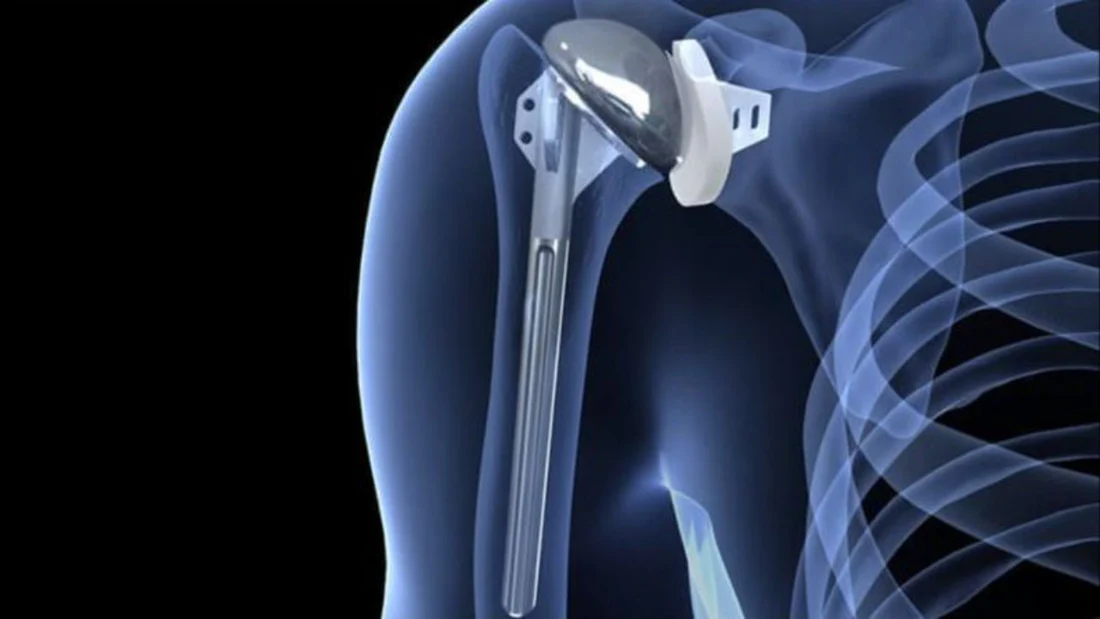
Shoulder replacement is a surgical procedure used to replace damaged parts of the shoulder joint with artificial components. Specialists often recommend it for individuals with severe arthritis, joint damage, or chronic pain that has not improved with non-surgical care. Here is an overview of total shoulder replacement:
Causes of Joint Damage
Joint damage can arise from various underlying factors, each impacting the body’s mobility and overall function in different ways. Here are some of them:
- Osteoarthritis: This condition wears away the protective cartilage that covers the ends of your bones. As the cartilage wears away, the bones rub together, causing significant pain and stiffness.
- Rheumatoid arthritis: The immune system attacks the joint lining, causing severe inflammation. The chronic swelling damages the cartilage and bone over time, reducing joint function.
- Severe fractures: A traumatic injury can shatter the shoulder bone into several pieces. When doctors cannot repair the bone fragments, they replace the joint to restore the arm’s structure.
These conditions progressively destroy the joint structure, and doctors generally recommend shoulder replacement surgery when the structural damage becomes too severe to manage medically.
Basics of Surgical Procedure
A standard shoulder replacement procedure involves the removal of the damaged head and socket. The surgeon cuts away the degraded bone, and they insert a metal ball attached to a stem into the upper arm bone. The medical team also fits a smooth plastic cup into the shoulder socket, creating a functional artificial joint. Some patients have large rotator cuff tears that require a different surgical approach to achieve a good result.
In a reverse shoulder replacement, the surgeon switches the positions of the artificial ball and socket. They attach the metal ball to the shoulder blade, and they fix the plastic cup to the top of the arm bone. This reversed anatomy allows different muscles to lift the arm, and it bypasses the damaged rotator cuff completely. The medical team monitors the patient’s vital signs closely after the operation, and they prescribe medication to control the initial pain.
Recovery and Rehabilitation
Recovery and rehabilitation following reverse shoulder replacement surgery are key components of the overall treatment process. These steps focus on restoring mobility, strengthening the shoulder, and preventing complications. Here’s what patients can expect:
- Pain management: Doctors prescribe specific medications to control post-operative discomfort. Proper pain control allows rest, and it helps patients participate in required exercises.
- Immobilization: Patients wear a sling to protect the shoulder during the initial healing phase. The sling keeps the arm in a safe position, and it prevents accidental movements that could harm the new joint.
- Physical therapy: A physical therapist teaches the patient specific movements to restore flexibility and strength. It begins with passive exercises and gradually advances to active movements.
Following these structured rehabilitation steps is a key part of the recovery process.
Support and Long-Term Function
Protecting the new shoulder joint requires ongoing awareness of daily physical activities. Patients must avoid heavy lifting, and they should avoid repetitive activities that place excessive stress on the artificial components. Proper body mechanics during routine tasks becomes key to preventing unnecessary wear on the implant. Patients should use both arms to lift moderately heavy objects, and they must not force the joint beyond its comfortable range of motion. Regular checkups with the orthopedic surgeon help monitor the condition of the implant over time. The doctor takes X-rays during these visits to verify the stability and function of the artificial parts.
Learn More About Shoulder Replacement
A total shoulder replacement offers a reliable method to address severe joint deterioration and chronic pain. The surgical process replaces damaged components with synthetic parts, and a structured rehabilitation program restores functional mobility to the arm. Contact a reputable orthopedic practice in your area to book your appointment and learn more about shoulder replacement today.