
Vascular health plays a fundamental part in overall physical function. Vein surgeons specialize in the medical management of the circulatory system, focusing on veins and arteries. These medical professionals offer comprehensive care that ranges from evaluating early symptoms to performing complex interventions. Patients may seek specialized guidance when experiencing leg aches, persistent swelling, or visible changes in their blood vessels.
What Conditions Do They Treat?
A vein surgeon evaluates and manages a wide array of circulatory issues. Many patients present with venous insufficiency, a condition where one-way valves inside the veins stop functioning properly. This dysfunction causes blood to flow backward and accumulate, which causes the affected vessels to enlarge. When venous reflux affects larger vessels in the lower legs, varicose veins develop. These present as twisted, purplish-blue veins that bulge from the skin surface and can lead to tired, achy legs. Beyond surface-level vessel changes, these doctors manage deeper circulatory problems. They address peripheral arterial disease and treat conditions like atherosclerosis. The physician helps prevent complications like venous ulcers or deep vein thrombosis.
How Do They Diagnose Them?
Accurate identification of vascular disease requires specific diagnostic testing. Since many circulatory conditions develop gradually without immediate symptoms, doctors rely on advanced vascular lab studies to pinpoint the exact location and severity of the problem. A primary tool used during these evaluations is duplex ultrasound imaging. This noninvasive technique allows the physician to view the blood flowing through veins and arteries in real time. It provides detailed images that help the medical team assess valve function and identify blockages.
Specialists may use pulse volume recording studies. This test involves placing blood pressure cuffs on the arms and legs to measure blood pressure in different locations. One specific measurement, the ankle-brachial index, compares the pressure in the lower leg to the pressure in the arm. A lower reading in the ankle often indicates restricted blood flow in the leg arteries. These tests yield immediate results, which allow the doctor to formulate an appropriate medical strategy right away.
How Do They Treat Them?
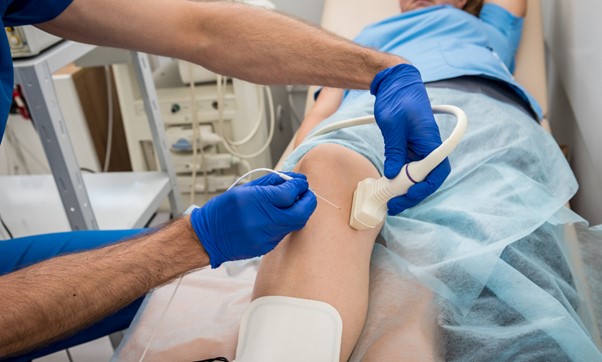
Following a thorough evaluation, the physician develops a personalized plan to address the specific circulatory issue. For certain varicose veins, doctors often use sclerotherapy. During this procedure, the physician injects a specific medication directly into the targeted vessel. The drug causes the vessel walls to collapse and form scar tissue. The body eventually absorbs this tissue, naturally redirecting blood flow to healthier veins. Ultrasound guidance may assist in delivering the medication to precise locations.
Another common intervention is endovenous laser ablation. This in-office method relies on heat to close off problematic veins. As with sclerotherapy, blood safely reroutes to functional vessels. For larger, bulging vessels, the surgeon might perform an ambulatory microphlebectomy. The doctor makes a tiny incision and physically extracts the damaged vein using specialized instruments.
Meet With a Vein Surgeon
Addressing circulatory problems early can lead to better long-term outcomes. Vein surgeons possess the precise training required to evaluate blood vessel function and recommend appropriate interventions. Whether a patient faces uncomfortable varicose veins, unexplained leg swelling, or signs of decreased blood flow, a specialized evaluation provides clarity. Taking the step to schedule a diagnostic appointment allows individuals to understand their current vascular status. A dedicated physician will review all symptoms, conduct necessary noninvasive tests, and outline a clear path forward to restore optimal circulatory function.