
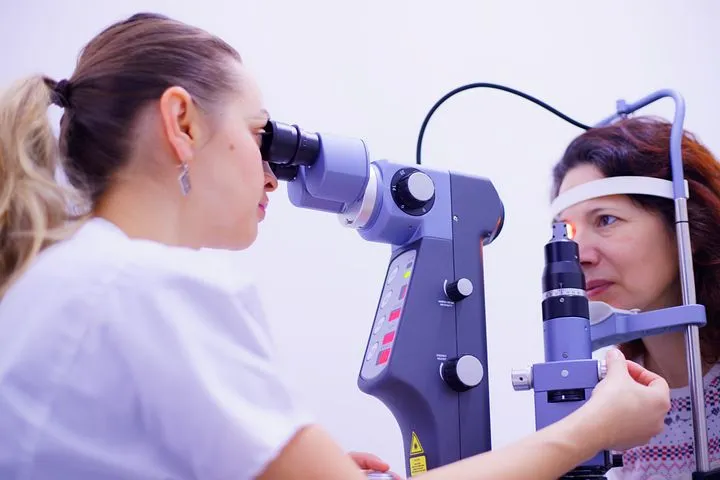
Cataracts involve the clouding of the eye’s lens, leading to vision impairment. Patients may experience blurry vision and sensitivity to light. Medical professionals diagnose the condition through clinical evaluations, and surgery remains the primary treatment to restore clear sight. Here is more information on this condition, its causes, symptoms, and treatment options:
What Are Cataracts?
A cataract is a dense, cloudy area that forms in the lens of the eye. This clouding prevents light from reaching the retina clearly, and the resulting image becomes distorted. Cataracts may develop slowly over many years. Patients often require medical evaluation to determine the extent of the lens opacity.
What Causes Them?
Proteins in the lens break down over time, and they clump together to form cloudy patches. Aging acts as the most common contributing factor for this physiological change. Trauma to the eye can also trigger cataract formation. Secondary factors include diabetes and prolonged exposure to ultraviolet light, which accelerate the breakdown of lens proteins.
Some individuals develop cataracts after undergoing radiation therapy for other medical conditions. The use of certain medications, such as corticosteroids, may also increase the probability of lens opacification. Genetics sometimes plays a role in early-onset cases. Doctors review a patient’s full medical history, and they use this information to identify the specific underlying causes.
What Are the Symptoms?
Individuals with cataracts may report a gradual deterioration of their vision. The visual changes can manifest in several distinct ways, and a clinical assessment helps document these abnormalities. Additional clinical signs include:
- Cloudy, blurred, or dim vision
- Increasing difficulty with vision at night
- Sensitivity to light and glare
- The appearance of halos around lights
- Fading or yellowing of colors
- Frequent changes in eyeglass or contact lens prescriptions
What Are the Treatment Options?
Early stages of lens clouding may only require stronger lighting and new prescription glasses. These non-invasive measures temporarily alleviate visual difficulties, but they do not reverse the physical changes in the lens. The condition usually progresses over time. When conservative management fails to provide adequate vision, eye specialists may recommend surgical intervention.
Cataract surgery involves removing the clouded lens and replacing it with an artificial intraocular lens, thereby alleviating symptoms. Surgeons may operate on one eye at a time. The artificial lens remains permanently in the eye, so patients may experience a long-term restoration of their visual function.
How Is Professional Care Beneficial?
Retina specialists can accurately monitor eye health. Routine comprehensive eye exams detect cataracts early, and this allows for timely medical intervention. Other eye diseases share similar symptoms, so an accurate professional diagnosis prevents improper management. Regular checkups protect a patient’s long-term visual acuity.
A specialist determines the precise timing for surgical procedures based on measurable vision decline, and the doctor reviews the patient’s medical history. They then select the most suitable type of intraocular lens. When patients receive ongoing professional guidance, they may experience fewer complications during the postoperative period. Professional monitoring maximizes the final visual outcome.
Consult a Specialist Now
Cataracts require clinical diagnosis and targeted medical management. A retina specialist can provide an accurate assessment of your ocular health, and they will outline specific clinical recommendations. Delaying medical evaluation can lead to further visual impairment. Schedule an appointment with an eye care specialist to discuss your symptoms and review potential treatment options.