
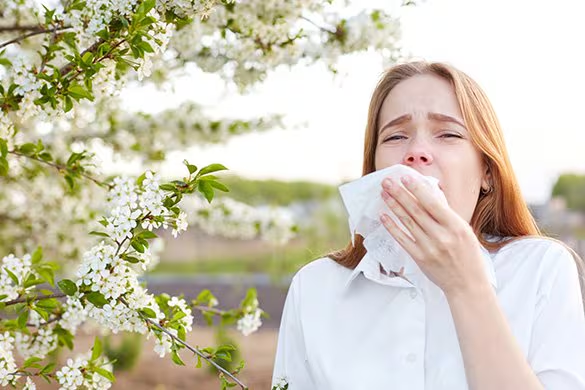
Seasonal allergies, often called hay fever, affect millions of people around the world every year. They usually appear during certain times of the year when plants release pollen into the air. While seasonal allergies are not life-threatening, they can make daily life uncomfortable and tiring. Understanding their symptoms and learning how to manage them can help you feel better and stay active.
What Are Seasonal Allergies?
Seasonal allergies happen when your immune system reacts to something in the environment that is normally harmless. These triggers are called allergens. The most common seasonal allergens include pollen from trees, grasses, and weeds.
When someone with allergies breathes in pollen, their immune system thinks it is dangerous. As a result, the body releases chemicals like histamine, which cause allergy symptoms.
Common Symptoms of Seasonal Allergies
The symptoms of seasonal allergies can vary from mild to severe. They often resemble a common cold, but they last longer and do not include fever.
Here are the most common symptoms:
1. Sneezing
Frequent sneezing is one of the first signs of seasonal allergies. It happens because your body is trying to remove allergens from your nose.
2. Runny or Stuffy Nose
You may experience a constant runny nose or nasal congestion. The mucus is usually clear and watery.
3. Itchy Eyes, Nose, or Throat
Itching is a key symptom that helps distinguish allergies from a cold. Your eyes, nose, and even throat may feel irritated.
4. Watery or Red Eyes
Your eyes may become watery, red, and swollen. This condition is sometimes called allergic conjunctivitis.
5. Coughing
Postnasal drip (mucus dripping down the throat) can lead to coughing, especially at night.
6. Fatigue
Allergies can make you feel tired due to constant discomfort and poor sleep.
7. Headaches
Sinus pressure caused by congestion may lead to headaches.
8. Reduced Sense of Smell
A blocked nose can affect your ability to smell or taste properly.
What Causes Seasonal Allergies?
Different types of pollen are responsible for allergies at different times of the year:
- Spring: Tree pollen
- Summer: Grass pollen
- Fall: Weed pollen (especially ragweed)
Weather also plays an important role. Warm, dry, and windy days increase pollen levels, while rainy days help clear the air.
Who Is at Risk?
Anyone can develop seasonal allergies, but some people are more likely to experience them:
- People with a family history of allergies
- Individuals with asthma
- Children and young adults
- People living in areas with high pollen levels
How Seasonal Allergies Affect Daily Life
Seasonal allergies can impact your quality of life in many ways. You may feel less productive at work or school, have trouble sleeping, or avoid outdoor activities. In severe cases, allergies can also worsen asthma symptoms.
Treatment Options for Seasonal Allergies
The good news is that seasonal allergies can be managed effectively. Treatment usually involves a combination of medications, home remedies, and lifestyle changes.
1. Avoiding Allergens
The first step in managing allergies is to reduce exposure to pollen.
Here are some simple tips:
- Stay indoors during high pollen times (early morning and windy days)
- Keep windows closed at home and in your car
- Use air conditioning instead of natural ventilation
- Shower and change clothes after being outdoors
- Dry clothes indoors instead of outside
2. Medications
Several medications can help relieve allergy symptoms. Always consult a healthcare provider before starting any medication.
a. Antihistamines
These are the most common allergy medicines. They block histamine, the chemical responsible for symptoms.
They help reduce:
- Sneezing
- Itching
- Runny nose
b. Decongestants
These help relieve nasal congestion by reducing swelling in the nasal passages. However, they should not be used for long periods.
c. Nasal Sprays
Steroid nasal sprays are very effective in reducing inflammation and congestion. They may take a few days to show full results.
d. Eye Drops
Allergy eye drops can help relieve redness, itching, and watering.
3. Immunotherapy (Allergy Shots)
For people with severe allergies, doctors may recommend immunotherapy. This treatment involves regular injections of small amounts of allergens. Over time, your body becomes less sensitive to them.
There are also allergy tablets that dissolve under the tongue, which work in a similar way.
4. Natural and Home Remedies
Some people prefer natural ways to manage their symptoms. While these may not replace medication, they can provide additional relief.
a. Steam Inhalation
Breathing in steam can help clear nasal passages and reduce congestion.
b. Saline Nasal Rinse
Using a saltwater solution to rinse your nose can remove pollen and mucus.
c. Honey
Some believe that local honey may help build tolerance to pollen, although scientific evidence is limited.
d. Herbal Teas
Teas made from ginger or peppermint may help soothe the throat and reduce inflammation.
5. Healthy Lifestyle
Maintaining a healthy lifestyle can improve your immune system and reduce the severity of symptoms.
- Eat a balanced diet rich in fruits and vegetables
- Exercise regularly
- Stay hydrated
- Get enough sleep
When to See a Doctor
You should consult a doctor if:
- Your symptoms are severe or persistent
- Over-the-counter medications do not help
- You have asthma along with allergies
- Your daily activities are affected
A doctor can perform allergy tests to identify specific triggers and suggest the best treatment plan.
Preventing Seasonal Allergies
While you may not be able to completely prevent seasonal allergies, you can reduce their impact:
- Check daily pollen forecasts
- Wear sunglasses outdoors to protect your eyes
- Use a mask when doing outdoor work
- Keep indoor air clean with filters
Taking early action before allergy season begins can make a big difference.
Conclusion
Seasonal allergies are common but manageable. By understanding the symptoms and knowing how to treat them, you can reduce discomfort and enjoy your daily life. Simple steps like avoiding allergens, using medications, and following a healthy lifestyle can provide significant relief.
Remember, everyone’s body reacts differently, so it may take time to find what works best for you. If your symptoms become difficult to handle, seeking medical advice is always the best choice.
Frequently Asked Questions (FAQs)
1. How long do seasonal allergies last?
Seasonal allergies usually last as long as the pollen season continues, which can be several weeks or even months depending on the allergen.
2. Can seasonal allergies go away on their own?
They may improve over time, but most people experience them every year unless treated or managed properly.
3. Are seasonal allergies contagious?
No, seasonal allergies are not contagious. They are caused by your immune system reacting to allergens, not by viruses or bacteria.
4. What is the best time to go outside during allergy season?
Late afternoon or after rain is usually better because pollen levels are lower compared to early morning.
5. Can children have seasonal allergies?
Yes, children can develop seasonal allergies, especially if there is a family history. Symptoms are similar to those in adults.