
Prostate cancer is one of the most common cancers affecting men, especially as they grow older. When it is found early, it is often treatable and sometimes even curable. However, when prostate cancer spreads beyond the prostate gland or becomes more aggressive, it is known as advanced prostate cancer. This stage can sound frightening, but medical science has made significant progress in diagnosing and treating it.
In this article, we will explore what advanced prostate cancer is, how it is diagnosed, and the different treatment options available—explained in a simple, easy-to-understand way.
What Is Advanced Prostate Cancer?
Advanced prostate cancer means that the cancer has spread outside the prostate gland to nearby tissues, lymph nodes, or even distant parts of the body like bones or lungs. In some cases, it may also refer to cancer that no longer responds well to standard treatments.
There are two main types of advanced prostate cancer:
- Locally advanced prostate cancer: Cancer has spread to nearby areas but not far from the prostate.
- Metastatic prostate cancer: Cancer has spread to distant parts of the body.
Understanding the stage helps doctors decide the best treatment plan.
Symptoms of Advanced Prostate Cancer
In early stages, prostate cancer may not cause noticeable symptoms. But when it becomes advanced, some common signs may appear:
- Difficulty urinating or weak urine flow
- Blood in urine or semen
- Pain in the hips, back, or chest (if cancer spreads to bones)
- Fatigue and weakness
- Unexplained weight loss
These symptoms don’t always mean cancer, but they should never be ignored.
How Is Advanced Prostate Cancer Diagnosed?
Diagnosing advanced prostate cancer involves several tests. Doctors usually begin with basic screenings and move to more advanced tools if needed.
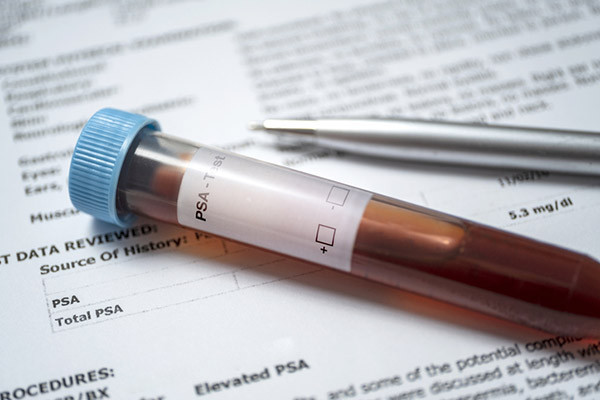
1. PSA Test (Prostate-Specific Antigen)
This blood test measures the level of PSA, a protein produced by the prostate. High levels may indicate prostate cancer, but other conditions can also raise PSA levels.
2. Digital Rectal Exam (DRE)
A doctor checks the prostate manually through the rectum to feel for lumps or unusual areas.
3. Biopsy
If cancer is suspected, a small sample of prostate tissue is taken and examined under a microscope to confirm the presence of cancer cells.
4. Imaging Tests
To determine if the cancer has spread, doctors may use:
- CT scans
- MRI scans
- Bone scans
- PET scans
These help locate cancer in other parts of the body.
5. Genetic Testing
Sometimes, doctors test for genetic changes that may affect how the cancer behaves or responds to treatment.
Treatment Options for Advanced Prostate Cancer
Treatment depends on how far the cancer has spread, the patient’s health, and how aggressive the cancer is. Often, a combination of treatments is used.
1. Hormone Therapy (Androgen Deprivation Therapy)
Prostate cancer cells often rely on male hormones (like testosterone) to grow. Hormone therapy reduces or blocks these hormones.
- Medications can lower testosterone levels
- Surgery (removal of testicles) may also be considered in some cases
This treatment is commonly used and can slow cancer growth effectively.
2. Chemotherapy
Chemotherapy uses strong drugs to kill cancer cells or stop them from growing.
- Usually given through injections or pills
- Often used when cancer no longer responds to hormone therapy
While it can have side effects like fatigue or hair loss, it can significantly improve survival in advanced cases.
3. Radiation Therapy
Radiation therapy uses high-energy rays to destroy cancer cells.
- External beam radiation targets specific areas
- Can be used to relieve pain, especially in bones
It is often used when cancer has spread to bones or nearby tissues.
4. Targeted Therapy
Targeted therapy focuses on specific changes in cancer cells.
- Attacks cancer cells without harming normal cells as much
- Often based on genetic testing results
This is a newer treatment and is becoming more common in advanced cancer care.
5. Immunotherapy
Immunotherapy helps the body’s immune system fight cancer.
- Boosts natural defenses
- Works well in some patients but not all
It is still being studied but offers hope for long-term control.
6. Surgery
In advanced stages, surgery is less common but may still be used in certain cases:
- To relieve symptoms
- To remove parts of the tumor causing problems
7. Bone-Targeted Treatments
If cancer spreads to bones, special treatments can help:
- Strengthen bones
- Reduce pain
- Prevent fractures
These treatments improve quality of life.
Living with Advanced Prostate Cancer
Being diagnosed with advanced prostate cancer can feel overwhelming, but many people live for years with proper care. Managing the disease is not just about treatment—it also involves lifestyle and emotional support.
Healthy Lifestyle Tips
- Eat a balanced diet with fruits and vegetables
- Stay physically active as much as possible
- Avoid smoking and limit alcohol
- Get enough rest
Emotional Support
- Talk to family and friends
- Join support groups
- Consider counseling if needed
Mental health is just as important as physical health.
Importance of Regular Follow-Up
Even after starting treatment, regular check-ups are necessary:
- Monitor PSA levels
- Check how well treatments are working
- Adjust treatment plans if needed
This helps doctors stay ahead of the disease.
Future of Prostate Cancer Treatment
Medical research is improving every year. New drugs, better imaging, and personalized treatments are making it easier to manage advanced prostate cancer.
Scientists are working on:
- More effective immunotherapies
- Personalized medicine based on genetics
- Less invasive treatments
This means better outcomes and hope for patients.
Conclusion
Advanced prostate cancer is a serious condition, but it is not without hope. Early diagnosis, proper treatment, and ongoing care can help manage the disease and improve quality of life. With modern medical advancements, many patients continue to live meaningful and fulfilling lives.
Understanding your options and working closely with your doctor is the key to making the best decisions for your health.
Frequently Asked Questions (FAQs)
1. Can advanced prostate cancer be cured?
In most cases, advanced prostate cancer cannot be completely cured, but it can often be controlled for many years with treatment.
2. What is the life expectancy of someone with advanced prostate cancer?
Life expectancy varies depending on the stage, overall health, and response to treatment. Many patients live several years with proper care.
3. Is advanced prostate cancer painful?
It can cause pain, especially if it spreads to bones. However, treatments are available to manage and reduce pain effectively.
4. How do I know if my prostate cancer has become advanced?
Doctors use tests like PSA levels, imaging scans, and biopsies to determine if cancer has spread beyond the prostate.
5. What is the best treatment for advanced prostate cancer?
There is no single “best” treatment. Doctors create a personalized plan that may include hormone therapy, chemotherapy, radiation, or newer treatments.