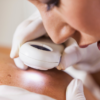

Diabetes represents a systemic condition that affects various bodily functions over time. The feet and lower legs remain particularly vulnerable to the physiological changes associated with this disease, and patients face a heightened risk of developing secondary complications in their lower extremities. Observing the feet daily allows individuals to detect potential abnormalities, before they escalate. Recognizing specific warning signs gives patients the opportunity to seek diabetic wound care promptly.
How Does Diabetes Affect Feet?
This gradual deterioration typically leads to two primary physiological conditions in the lower extremities. The first condition is peripheral arterial disease. This vascular issue occurs when the arteries become narrow and hard. Because the pathways are restricted, the feet receive a reduced supply of oxygen-rich blood. Individuals experiencing this lack of circulation face delayed wound healing. A simple scratch takes much longer to resolve, and patients face an elevated risk of tissue death if blood flow stops entirely.
The second common condition is peripheral neuropathy. This involves direct damage to the peripheral nerves extending into the legs and feet. People diagnosed with this condition can experience a progressive loss of sensation. A patient might step on a sharp object and fail to notice the injury until a severe ulcer develops. Muscle imbalances also emerge alongside nerve damage. These muscular shifts cause structural changes in the foot, altering the patient’s gait and potentially generating abnormal pressure points on the skin.
What Indicates That Care Is Necessary?
Recognizing physical changes in the feet helps prevent severe medical issues and defend against developing complications. Professional evaluation becomes necessary when a few notable symptoms appear, ranging from physical sensations to skin changes. These include:
- Tingling: A persistent pins-and-needles sensation often points directly to early nerve damage.
- Numbness: A complete loss of feeling prevents individuals from detecting injuries, cuts, or blisters.
- Skin Warmth: Localized heat may indicate an underlying active infection or severe inflammation.
- Skin Discoloration: Unexplained color changes across the foot or toes can signal a severe lack of circulation.
- Skin Cracks: Dry, splitting skin creates microscopic openings for bacterial infections to enter the body.
- Ulcers: Sores that fail to improve over several days require immediate medical assessment to prevent infection.
- Toenail Issues: Nails growing into the surrounding tissue cause localized pain and act as a gateway for serious infections.
- Corns and Calluses: Thickened patches of skin develop from abnormal pressure, eventually breaking down the underlying healthy tissue.
- Hammertoe: Toe joint deformities alter the natural structure of the foot, significantly increasing the risk of friction-based ulcerations.
Addressing diabetes-related foot problems involves several targeted medical interventions.
What Is Diabetic Wound Care?
Physicians provide routine nail trimming services for their patients, helping to prevent accidental cuts. Proper clinical trimming reduces the probability of developing ingrown toenails and aggrevating surrounding open wounds. Medical professionals also directly treat existing lacerations, cuts, sores, and deep ulcers. Specialized diabetic wound care applied to encourage rapid tissue regeneration and eliminate localized infections. Physicians monitor the healing progress closely to adjust the treatment plan as the wound closes.
Physicians may recommend certain footwear and prescribe specialized orthotic inserts to protect the lower extremities. These clinical devices relieve abnormal pressure along the sole of the foot. By correcting the foot’s structural alignment, these inserts promote better overall circulation. Appropriate medical footwear prevents initial skin breakdown and stops future ulcers from forming along high-friction areas.
Seek Foot and Ankle Care
Managing diabetes requires consistent, daily attention to the lower extremities. Routine visual inspections help patients identify the early warning signs of vascular and detect nerve damage. When symptoms arise, connecting with a specialist prevents minor skin irritations from escalating into severe, limb-threatening complications.